Still storing contracts in a shared drive or tracking them in a spreadsheet? If so, you're not alone. Managing contracts manually can feel like a juggling act—one wrong move, and you risk missed deadlines, compliance gaps, or costly renewals.
Contracts control revenue, vendor spend, employee terms, and regulatory obligations. But when they’re scattered across inboxes, folders, and spreadsheets, even simple questions—like “When does this renew?” or “Who owns this contract?”—become time-consuming hunts.
Imagine a system where every agreement is stored, tracked, and updated in one place. That’s where contract management software comes in.
Key Takeaways: What is contract management software?
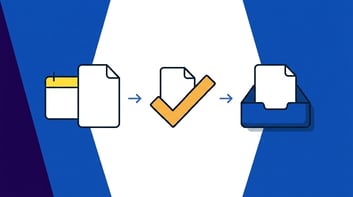
Contract management software is a centralized digital platform that helps businesses create, store, track, and manage contracts across their entire lifecycle—from drafting and approvals to signing, renewals, and compliance.
It replaces manual processes, spreadsheets, and scattered files with automated workflows, reminders, searchable storage, and data extraction so teams can move faster and reduce risk.
What Is Contract Management Software?
Contract management software is a digital solution that makes managing contracts easier and more efficient.
It supports the entire lifecycle of a contract—from creation and negotiation to approval, signing, renewal, and ongoing management.
Instead of juggling file folders or spreadsheets, the software centralizes everything in one place, keeping your organization organized and on track.
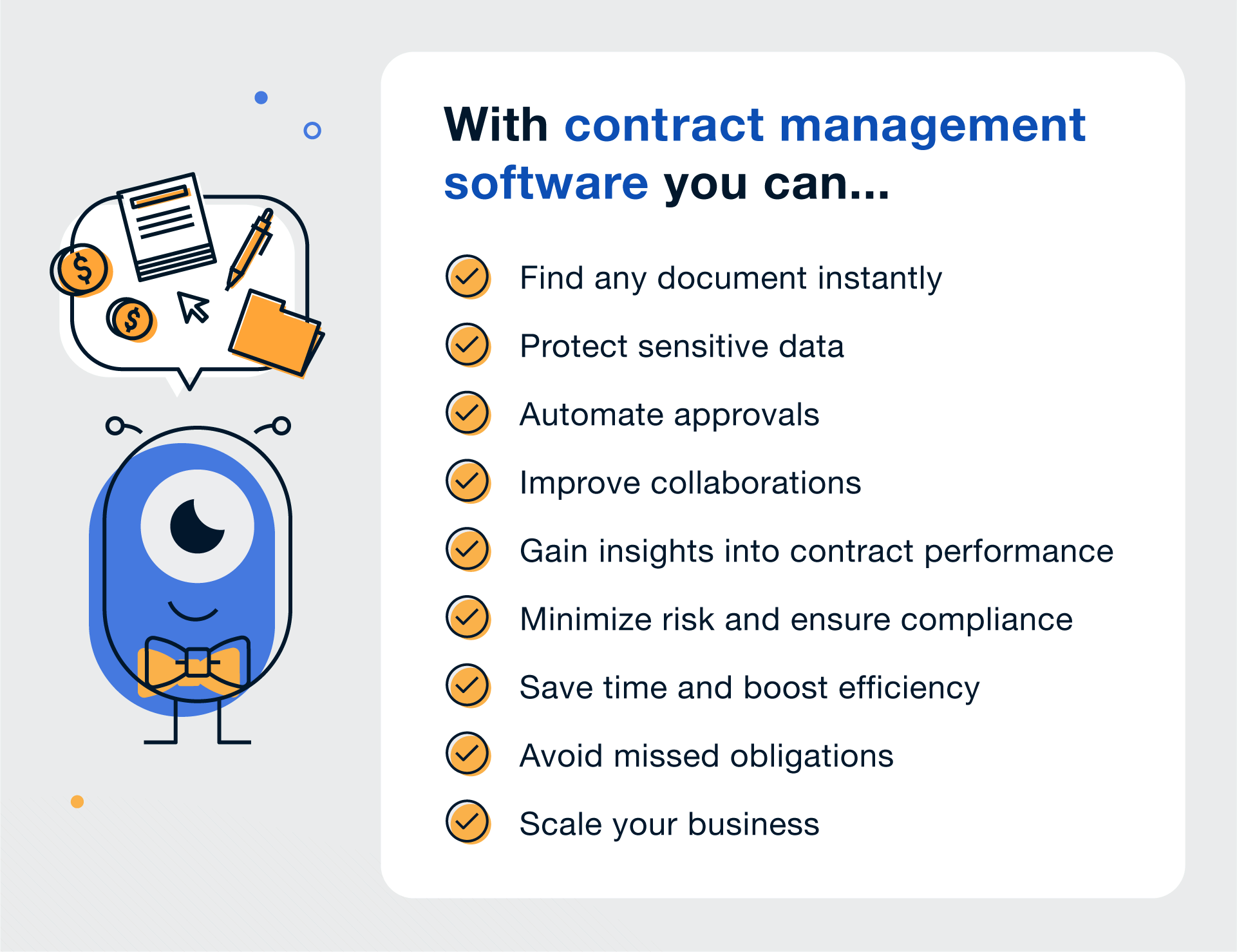
But it’s not just about storage. With features like templates, approval workflows, automated reminders, and AI-powered data extraction, contract management software streamlines processes, reduces risk, and improves compliance.
Contract management software is also commonly referred to as:
-
Contract lifecycle management (CLM) software
-
Contract tracking software
-
Contract repository software
-
Contract administration software
All of these terms refer to tools designed to manage agreements more efficiently across their lifecycle.
RELATED READ: What is the contract management process?
Who Uses Contract Management Software?
Contract management software isn’t just for legal teams. It’s used by anyone responsible for creating, approving, tracking, or enforcing contracts.
Here's how different departments can benefit:
- Sales teams: Close deals faster! Approval workflows and e-signatures speed up contract negotiations, so your sales reps can spend more time selling and less time chasing signatures.
- Procurement departments: Track contract milestones, monitor supplier performance and stay on top of deadlines with automated reminders.
- Legal teams: Streamline legal processes with features like standardized intake forms, templates and workflows allowing legal professionals to focus on higher-level work like case analysis and litigation strategies.
- Finance teams: Gain better visibility into contract value, make tracking payment terms and obligations easier than ever, spot cost-saving opportunities, and stay ahead of renewals.
- HR departments: Easily centralize and manage employee and independent contractor agreements, NDAs, and onboarding paperwork. Templates for standard contracts ensure consistency and save time, while user permissions keep sensitive files secure. Version control allows HR to track changes, ensuring everyone works from the latest version.
- Operations: Allows centralized access to key agreements, smooth processes and compliance by tracking key dates, obligations, and contract performance metrics.
- Business owners: Whether you're a small business juggling a growing number of contracts or an established enterprise, contract management keeps things organized and efficient.
The adaptability of contract management software means it will work for a wide range of industries, including:
- Education: Simplify the management of vendor contracts, teacher agreements, and grants with powerful search functionality and easy contract creation. Automated reminders for deadlines ensure timely renewals and compliance, reducing administrative burden and keeping contracts organized and in one place.
- Nonprofits: Maintain the high level of accountability and transparency donors expect by easily tracking funding and grant milestones, payments and obligations to ensure compliance with donor and grantor requirements. Create role-based dashboards for your team to access the specific contract insights they need.
- Healthcare: Stay compliant, break down communication silos, and keep documents secure and organized in a centralized document repository with customizable permissions and roles, version control, and audit trails. Automated alerts for renewal dates and compliance deadlines help healthcare teams stay on track..
- Hospitality: Tap into an organized repository of contracts across various locations and user-based dashboards sharing specific insights based on a specific user or property.
- Energy: Manage complex long-term agreements and intense supply chains easily, thanks to contract tracking and automated reminders.
- Small businesses: Scale your business with automated contract management and seamless integrations with e-signature and customer relationship management software.
Contract management software's adaptability makes it a powerful tool for almost every business.
What Are the Benefits of Contract Management Software?
Implementing a contract management solution like ContractSafe will deliver tangible benefits to your business:
-
Eliminate bottlenecks: Automate approval workflows and speed up contract cycle.
-
Find documents in seconds: No more sifting through folders or spreadsheets. Search and find what you need instantly.
-
Never miss another deadline: Set up automated reminders for renewals, expirations and other key dates to keep you ahead of the game.
-
Create custom reports: Get insights on contract performance with easy-to-create reports that keeps everyone in the loop.
-
Organize and categorize effortlessly. Automatically categorize contracts by type to keep everything organized.
-
Ensure Security: Audit trails, user roles and permissions and bank-level encryption keep your documents safe from prying eyes.
-
Work from the Latest Version: Ensure everyone is working from the most up-to-date contract, reducing the chance of mistakes.
These are just a few of the ways contract management software can transform your business.
Streamlining processes, improving compliance, and reducing risk will free up valuable time and resources to focus on strategic initiatives. Now, let's explore the key features that make these benefits possible.
RELATED READ: How Contract Management Software Streamlines Processes
What Key Features Should You Look for in Contract Management Software
Not all contract management software is created equal. Some are packed with features you may never use, while others offer barely enough to get by.
Here are some of the most important features to look out for:
Centralized Contract Repository
A centralized contract repository is the beating heart of your contract management system. It’s a secure, organized digital storage space with all your contracts, amendments, and related documents.
And it’s more than just a glorified filing cabinet.
A centralized repository eliminates scattered documents, keeps everything clean and tidy, ensures proper version control, and gives everyone involved easy access to the latest versions of contracts.
AI Organization and Categorization
Artificial intelligence is revolutionizing contract management. AI-powered features can automatically organize and categorize your contracts based on their content, clauses, and key terms. This saves you time and effort, eliminates manual tagging, and ensures consistency in classifying your contracts.
AI can also help identify potential risks and opportunities within your contracts, providing valuable insights for negotiation and decision-making.
Automated Workflows
If you’ve ever had a contract sitting idle waiting for an approval or signature, you can understand the value of automated workflows. Automated workflows can guide contracts through approval and send notifications and reminders when stakeholders fall behind.
This feature is vital for speeding up contract cycles, slashing through bottlenecks, and ensuring that every “i” is dotted and every “t” is crossed.
Alerts and Notifications
Never miss a critical deadline again! Robust contract management software should have a comprehensive alert system to remind you of upcoming renewals, expirations, and other key dates. This means you should be able to set customized reminders for any contract-related event, choosing the timing and delivery method that works best for you, such as email or in-app notifications.
A calendar view can help your team visualize deadlines and milestones for easy tracking, allowing everyone to stay ahead of any changes well before an agreement expires or auto-renews. Automated email reminders are also essential for making sure that key contract dates are not missed, especially for those who might not consistently log in to the platform.
Powerful Search Functionality
Nothing is more frustrating than not finding what you need when needed. That’s why you need a contract management solution with advanced search functionality and optical character recognition (OCR) technology.
Sometimes, searching by file name or metadata isn’t enough. With OCR-powered search, you can find a clause or document quickly, regardless of its file type.
Your contract management platform should, at minimum, have OCR capabilities and an intuitive keyword search to facilitate the speed at which employees can locate contracts, key clauses, or problematic language.
Contract Tracking
Every contract management software has some kind of contract tracking and reporting, but many options are rigid, only showing you what they think you need to see.
Look for a contract management solution that allows you to customize your dashboards on a user level. That way, every team can see all the information that matters to them without the additional clutter that might not relate to their daily work.
Security and Compliance
Contracts are packed with sensitive information, and a leak could have huge implications for your business.
When looking for a contract management solution, make sure the system uses top-notch security, certified data centers, and bank-level encryption. You’ll also want to ensure your data is backed up for extra security.
Integrations
Depending on the size of your business, you may also depend on other third-party platforms as part of your contract lifecycle. Finding a solution compatible with your CRM, e-signing platform, or single sign-on solution is an important item to consider. You don’t want to implement a business solution that doesn’t fit into your ecosystem.
Sharing & Role Permissions
Not all employees will perform the same tasks or need the same level of access to various documents, controls, and features. User roles and permissions are one of the most important components of contract management software as they allow you to manage risk in a way that spreadsheets and shared drives do not. By restricting what certain users can see, you can be sure that different users can only see what you want them to see.
User-based permissions enable you to manage risk by ensuring only employees who need access to items or functions will have it. Read Only / No Delete permissions will give you the peace of mind that only employees with authority (attorneys, key managers, paralegals) can edit the contract record or remove contracts from the system.
Support
A dedicated support staff can work with your team through an initial integration, provide customized training sessions for your staff, and provide ongoing support in the event of any issues or bugs that pop up down the road. When making a significant investment in new software, having a top-of-the-line support staff will help your team get up to speed as quickly as possible.
➕ Advanced features for growing or complex teams
Not every organization needs advanced capabilities on day one. Many teams start with a centralized repository, reminders, and basic workflows. But as contract volume, risk, or compliance requirements grow, more advanced features can make a big difference.
Here are a few to consider if your processes are becoming more complex:
AI contract review
AI-powered contract review tools can scan agreements for key clauses, risks, or deviations from standard language. This helps legal teams review contracts faster and focus on higher-value decisions instead of repetitive checks.
Contract lifecycle tracking
Lifecycle tracking shows exactly where a contract sits—from intake and drafting to review, approval, signature, and renewal. This visibility helps teams identify bottlenecks, reduce status requests, and keep contracts moving.
Automated intake and approval rules
More advanced systems can route contracts automatically based on value, risk level, or contract type. This reduces manual coordination and ensures the right stakeholders are involved at the right time.
Obligation and performance tracking
For long-term or high-value agreements, tracking deliverables, milestones, and compliance obligations can help teams avoid penalties and maintain strong vendor or customer relationships.
These advanced features aren’t required for every organization, but they can become essential as contract volume, complexity, and cross-team coordination increase.
RELATED READ: Your 2026 Guide to the Best Contract Lifecycle Management Software Features
How To Choose the Right Software
Choosing the right contract management software for your business can be tough. With so many options, it can be difficult to know where to begin. Here are a few things you should consider:
-
Ease of use: Good contract lifecycle management (CLM) platforms are easy to learn. You should be able to find things easily, learn the platform quickly, and make changes at the snap of a finger — all while keeping your data secure and compliant with industry standards.
-
Feature set: Contract management software should do exactly what users need it to do. Knowing what features you need will help you pick a platform that suits your needs without overpaying for bells and whistles you’ll never use.
-
Implementation: Find software that makes the business-critical tools as easy to use as possible to spur adoption and get up and running quickly.
-
Integration: Software should play nice with your current processes and other software essential to your business.
-
Pricing model: CLM software is either pay-per-contract or pay-per-user. Most businesses prefer pay-per-contract since it provides more budget certainty and scales with your organization to accommodate user growth.
-
Customer support: Evaluate the software's responsiveness and effectiveness in customer support and whether your team will have a dedicated success manager throughout the contract.
RELATED READ: How to Choose the Right Contract Lifecycle Management (CLM) Software: The Ultimate Checklist
Common Mistakes When Managing Contracts
Many contract problems stem from process gaps rather than bad performance.
1. Treating contracts like files, not workflows
Without defined stages and ownership, contracts stall between teams.
2. Tracking renewals manually
Spreadsheet-based tracking leads to missed deadlines.
3. Storing contracts in multiple systems
Scattered documents create confusion and audit risk.
4. Relying on email for approvals
Email threads slow down reviews and create version conflicts.
5. Limiting visibility to one team
When only legal sees contracts, the business loses insight into risk and obligations.
RELATED READ: Seven Common Mistakes in Contract Management and How to Avoid Them
Key Takeaways
-
Contract management software centralizes agreements in one system.
-
It manages the full lifecycle—from drafting to renewal.
-
Teams across the business rely on it, not just legal.
-
Core benefits include faster cycles, better visibility, and reduced risk.
-
The right system is easy to use, integrates with existing tools, and scales with growth.
Is Contract Management Software Right for Your Business?
If contract volume is growing, deadlines are tracked manually, or teams struggle to find agreements, it may be time to move to a dedicated system.
Signs you’re ready for contract management software:
-
Contracts are stored in multiple places
-
Renewals are tracked in spreadsheets
-
Teams frequently ask for contract status
-
Audits require last-minute contract searches
-
Legal is buried in coordination work
As organizations grow, contract complexity grows with them. A centralized system helps maintain control and visibility.
See Why Customers Prefer ContractSafe
If your contracts live in shared drives, inboxes, or spreadsheets, it’s easy to lose track of deadlines, obligations, and approvals. That’s where a dedicated contract management platform makes a difference.
ContractSafe gives teams a simple, powerful way to manage the full contract lifecycle—from intake and drafting to approvals, signature, and renewal—without the complexity of traditional enterprise CLM systems.
With ContractSafe, you can:
-
Store all contracts in one secure, searchable repository
-
Capture requests with intake forms and standardized templates
-
Automate approvals and contract workflows
-
Review contracts faster with AI-powered contract review
-
Track where contracts are across the lifecycle with built-in lifecycle tracking
-
Extract key contract data automatically with AI
-
Track deadlines, renewals, and obligations without spreadsheets
-
Give every team the visibility they need
-
Add unlimited users without per-seat pricing surprises
ContractSafe is built for real teams—not just legal—so Sales, Finance, HR, and Operations can all work from the same contract system.
Schedule a demo today and discover how easy contract management
can be with ContractSafe.







.svg)







.svg)